
Espresso Machines · Super-automatic
The Best Super-Automatic Espresso Machines
One button, coffee out. What you gain in convenience, what you quietly give up in the cup, and which bean-to-cup machine to buy for whom.
The short answer
A super-automatic grinds, doses, brews and usually froths milk at one touch — maximum convenience, at the cost of hands-on control. For a budget entry, the De'Longhi Magnifica Start; for one-touch milk, the Philips 3200 LatteGo, or the 4400 for more presets; the Magnifica Evo is the mid option. To learn espresso, buy manual.
We earn a commission if you buy through a link on this page. It costs you nothing extra and it does not change what we recommend. Full disclosure.
All four machines, compared
Every pick on this page in one view, with the live Amazon price and stock on each row. Specs are the figures the maker or the listing publishes — nothing measured or scored by us. Prices are read from Amazon's API and were last checked October 11, 2026; where we have no verified price, the row says so rather than show you an old number.
| # | Machine | Why it's here | Price & availability |
|---|---|---|---|
| 1 | 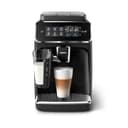 #1 Philips 3200 Series LatteGo (EP3241/54) Best overall for one-touch milk · Automatic milk 5 drinks: espresso, coffee, americano, cappuccino, latte macchiato · 100% ceramic grinder · touch display · LatteGo 2-part milk carafe, no tubes, rinses in about 15 seconds · AquaClean filter: no descaling for up to 5,000 cups · 17.6 lb · 2-year warranty The volume seller: automatic milk, the core drink list, the easiest milk system to clean. | The volume seller: automatic milk, the core drink list, the easiest milk system to clean.5 drinks: espresso, coffee, americano, cappuccino, latte macchiato · 100% ceramic grinder · touch display · LatteGo 2-part milk carafe, no tubes, rinses in about 15 seconds · AquaClean filter: no descaling for up to 5,000 cups · 17.6 lb · 2-year warranty | $500.04In stock, checked October 11, 2026 Check Price on Amazon |
| 2 | 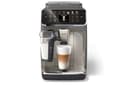 #2 Philips 4400 Series LatteGo (EP4444/90) Best for a wider drink menu · Automatic milk 12 presets including iced drinks and hot water · color display, up to 2 saved profiles · LatteGo 3-part milk carafe, rinses in about 10 seconds · QuickStart ready to brew in 3 seconds · SilentBrew, Quiet Mark certified, 40% quieter than earlier models · 17.6 lb The 3200 plus breadth: more recipes, saved profiles and a quieter grind — not a better shot. | The 3200 plus breadth: more recipes, saved profiles and a quieter grind — not a better shot.12 presets including iced drinks and hot water · color display, up to 2 saved profiles · LatteGo 3-part milk carafe, rinses in about 10 seconds · QuickStart ready to brew in 3 seconds · SilentBrew, Quiet Mark certified, 40% quieter than earlier models · 17.6 lb | $705.00In stock, checked October 11, 2026 Check Price on Amazon |
| 3 | 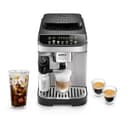 #3 De'Longhi Magnifica Evo (ECAM29084SB) Best De'Longhi alternative · Automatic milk 7 one-touch or customized drinks: espresso, cappuccino, latte macchiato, iced coffee, coffee, hot water, My Latte · 13 grind settings · automatic milk frother · 21.2 lb · 2-year warranty, plus a year with product registration The De'Longhi answer to the Philips machines, with savable My Latte recipes. | The De'Longhi answer to the Philips machines, with savable My Latte recipes.7 one-touch or customized drinks: espresso, cappuccino, latte macchiato, iced coffee, coffee, hot water, My Latte · 13 grind settings · automatic milk frother · 21.2 lb · 2-year warranty, plus a year with product registration | No verified price right now Check Price on Amazon |
| 4 | 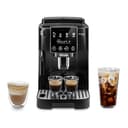 #4 De'Longhi Magnifica Start (ECAM22022) Best budget entry · Manual frother Thermoblock boiler · built-in conical burr, 13 grind settings, 250 g hopper · manual milk frother, NOT the automatic LatteCrema system · 15 bar · 1.8 L tank · 1250 W (US 120 V) · about 9.25 x 17 x 14 in · warranty not published on the model's page The cheapest way into real bean-to-cup — and the only one here where you steam the milk. | The cheapest way into real bean-to-cup — and the only one here where you steam the milk.Thermoblock boiler · built-in conical burr, 13 grind settings, 250 g hopper · manual milk frother, NOT the automatic LatteCrema system · 15 bar · 1.8 L tank · 1250 W (US 120 V) · about 9.25 x 17 x 14 in · warranty not published on the model's page | $599.95In stock, checked October 11, 2026 Check Price on Amazon |
What a super-automatic actually is
A super-automatic — the bean-to-cup machine — does the entire job internally. It has a built-in grinder, it doses and tamps the coffee for you, it brews the shot, and most of them steam or froth the milk automatically too. You fill the hopper with beans and the tank with water, press a button for a latte, and a latte arrives. There is no portafilter to fill, no grind to dial, no milk to texture by hand. For a lot of households, especially ones where several people want different drinks quickly in the morning, that is precisely the point, and it is a completely legitimate thing to want.
This is a different category from the manual and semi-automatic machines that make up most of this site. Those give you a portafilter and control over every variable; a super-automatic takes those variables away in exchange for convenience. Neither is "better" in the abstract — they are answers to different questions. This page is for the person whose question is "how do I get a good milk drink with the least effort," and the demand for that is enormous, particularly as a gift.
The honest trade-off
Here is the part the marketing skips. A super-automatic optimizes for convenience and consistency, and it pays for that with ceiling. Because the machine controls the grind, the dose and the extraction on your behalf, you cannot dial a shot the way you can on a manual machine — you get the machine's idea of espresso, adjustable within limits, rather than yours. For most people most of the time that is genuinely fine; the coffee is good and it is the same every day. But an enthusiast who wants to chase the best possible shot, learn latte art by hand, or tune a light-roast single origin will hit the machine's limits fast.
There is also a maintenance reality: these machines have a lot going on inside — a grinder, a brew unit, a milk circuit — and they need their cleaning cycles run diligently, because a neglected milk system is both a hygiene and a flavor problem. They are appliances, and they want to be treated like one. See our cleaning and maintenance guidefor the general principles, and follow the machine's own routine specifically.
The milk system is the real decision
Once you have decided you want a super-automatic, the choice between models is mostly a choice between milk systems and how many drinks the panel offers. Two approaches dominate:
Philips' LatteGo is a milk carafe with no tubes or hidden compartments, which is its whole selling point: two parts on the 3200 and three on the 4400, and they rinse quickly under the tap — Philips quotes about 15 seconds and 10 seconds respectively — so the daily cleaning is genuinely painless. De'Longhi's automatic milk systems(branded LatteCrema on the higher models) carafe the milk and pour a textured milk drink automatically, and De'Longhi has a deep lineup at every price. The cheaper De'Longhi machines use a manual panarello wand instead, where you froth the milk yourself — cheaper, more involved, and a genuinely different daily experience from a one-touch carafe. Decide first whether you want the milk fully automatic or are happy to froth it, because that splits the field before price does.
The machines we'd shortlist
A note on how we are treating these, because it matters here. Only the De'Longhi Magnifica Start is in our spec database with manufacturer-traced specs (it has its own full review). The others we are positioning from their published feature sets and market standing, not from a spec sheet we have line-by-line verified, so we describe what they are for rather than quoting internal specifications as fact. The figures in the comparison table above are the ones the maker or the Amazon listing publishes for the exact model each button links to, read on October 2, 2026 — which is also where the model numbers in the table come from. Model numbering within these ranges varies a lot, so confirm the exact model on the listing.
De'Longhi Magnifica Start — the budget entry
The most affordable way into a real bean-to-cup machine, and the one super-automatic we have reviewed in full. The Magnifica Start uses a manual milk frother rather than an automatic carafe, which is exactly why it is cheaper — you steam the milk yourself. If your priority is getting into bean-to-cup coffee at the lowest sensible price and you do not mind frothing milk by hand, this is the entry point. Read the full Magnifica Start reviewfor the detail, including what De'Longhi does and does not publish about it. If you are torn between automating the espresso and learning to pull it, our Barista Express vs Magnifica Start head-to-head weighs the two for about the same money.
Philips 3200 LatteGo — the one-touch milk pick
If the appeal of a super-automatic is a milk drink at one touch with minimal cleanup, the Philips 3200 with the LatteGo carafe is the mainstream pick. The tubeless two-part milk system is the selling point: it makes the espresso-based milk drinks automatically and rinses in seconds, which is the daily friction that decides whether people keep using these machines. The 3200 is the volume seller in the Philips line for good reason — it hits the sweet spot of automatic milk, a sensible spread of drinks, and a price that is not eye-watering.
Philips 4400 LatteGo — the step up for more drinks
The 4400 is the 3200's bigger sibling: the same LatteGo convenience with a wider menu of pre-set drinks (including iced options on the current models) and a more capable control panel. Buy it over the 3200 if you want more one-touch recipes and user profiles rather than the core set, and skip it if the 3200's menu already covers what your household drinks — the extra money mostly buys breadth, not a better shot.
De'Longhi Magnifica Evo — the mid De'Longhi option
The Magnifica Evo sits above the Start in De'Longhi's lineup and is sold in both automatic-frother and manual-frother variants — so read the model carefully, because the milk system is the whole difference. The model the button above links to is the ECAM29084SB, which De'Longhi lists with an automatic frother, 13 grind settings and seven one-touch or customizable drinks: espresso, cappuccino, latte macchiato, iced coffee, coffee, hot water and a savable "My Latte" recipe. It is the natural De'Longhi alternative to the Philips machines if you prefer that brand's coffee and interface, and a common gift-tier bean-to-cup machine. Model numbering shifts, so confirm the code and the milk system on the listing before buying — the Start and Evo are weighed up directly in Magnifica Start vs Evo.
Who should skip these
Plainly: if you want to learn espresso rather than dispense it, do not buy a super-automatic. The whole appeal of a manual or semi-automatic machine is the control a super-automatic deliberately removes, and you will feel boxed in within weeks. For that buyer, our best machines for beginners and upgrading from pods to espresso guides are the right reading, and the honest headline is the same one that runs through this whole site: whatever machine you buy, the grinder matters more — except here, where the grinder is inside the box and the machine chose it for you, which is itself part of the trade-off. If none of that puts you off, a super-automatic is a fine, honest choice and the picks above are where to start. If you are working to a budget ceiling rather than ranking the whole category, the narrower question is answered in the best super-automatics under $1,000.
What we know, and how we know it
What we did
- Took the specs from the manufacturer's own documentation. Not from a retailer listing, and not from another blog.
- Priced it from Amazon's API, with the date we checked shown next to the number. If that price is more than 48 hours old, this page stops showing a number at all rather than show you a wrong one.
- Formed a verdict from those specs, the price, and what owners publicly report.
Where we hedged, and why
Of the machines on this page, only the De'Longhi Magnifica Start is in our spec database with specifications traced to the manufacturer — it has its own full review. The Philips 3200 and 4400 and the Magnifica Evo are positioned here from their published feature sets and market standing, not from a spec sheet we have verified line by line, so we have described what each is for rather than stating internal specifications as fact. The comparison table quotes only figures the maker or the Amazon listing publishes for the exact model each button links to — EP3241/54, EP4444/90 and ECAM29084SB — read on October 2, 2026, and the Magnifica Start row says "warranty not published" because De'Longhi does not state one on that model's page. Model numbering in these ranges is a minefield; confirm the exact model and, crucially, the milk system on the listing before you buy.
We have not used these machines. There is no lab here and no side-by-side test behind this page — the recommendations are formed from published features, price, and how the machines are positioned, and labeled as exactly that.
What we did not do
We do not run a lab. We have not pulled thousands of shots on this machine, and we are not going to pretend otherwise. We have not used this unit ourselves. Everything above is sourced research, and it is labeled as such. Where we have used a machine, we say so and show it.
How we're paid
If you buy through a link on this page, we earn a commission. It costs you nothing extra and it does not change what we recommend — we link to the better option for the buyer even when it earns us less. See how we review and our full disclosure.
If you are cross-shopping bean-to-cup against a real portafilter machine, our what home espresso really costs guide lays out the total bill either way, and the De'Longhi brand hub covers the manual end of that range. More on the espresso machines hub.
Frequently asked questions
What is a super-automatic espresso machine?
A bean-to-cup machine that does the whole job internally: it grinds, doses, tamps and brews, and most also froth milk automatically. You add beans and water, press a button, and a finished drink comes out — no portafilter, no dialing in a grind, no hand-texturing milk. It trades the hands-on control of a manual machine for maximum convenience and day-to-day consistency.
Are super-automatic machines worth it?
For convenience buyers, yes. If you want a reliably good milk drink at one touch with minimal effort — especially for a household where people want different drinks quickly — a super-automatic is the right tool. If you want to learn espresso, chase the best possible shot, or pour latte art by hand, it will frustrate you, because it removes exactly the control that makes that possible. It comes down to what you actually want from the machine.
What's the difference between Philips LatteGo and De'Longhi's milk systems?
LatteGo is Philips' tubeless two-part milk carafe — fewer parts and quick to rinse, which makes the daily cleaning painless. De'Longhi's automatic systems (LatteCrema on higher models) carafe and pour textured milk drinks automatically, across a deep lineup. Cheaper De'Longhi machines instead use a manual panarello wand, where you froth the milk yourself. Decide whether you want fully automatic milk or are happy to froth it — that splits the field before price does.
Which super-automatic espresso machine should I buy?
For a budget entry with hand-frothed milk, the De'Longhi Magnifica Start. For one-touch milk drinks with easy cleanup, the Philips 3200 LatteGo, stepping up to the 4400 if you want more pre-set recipes. The De'Longhi Magnifica Evo is the mid De'Longhi option, available in automatic-milk or manual-frother versions — confirm which. Match the milk system and drink menu to your household before price.
Do super-automatic machines make better espresso than manual ones?
No — they make more convenient, more consistent espresso, but with a lower ceiling. Because the machine controls the grind, dose and extraction for you, you can't fine-tune a shot the way you can on a manual machine, so you get the machine's version of espresso rather than a dialed-in one. For everyday drinking that's usually fine; for chasing the best possible cup, a manual machine and a good grinder go further.
Do super-automatic espresso machines need a lot of maintenance?
They need diligent, regular cleaning — arguably more attention than a simple manual machine, because there's more inside: a grinder, a brew unit and a milk circuit. The milk system in particular must be cleaned per the machine's cycle for hygiene and flavor, and the brew unit and water path need their routines run. They're appliances and reward being treated like one. Follow the machine's own maintenance schedule closely.
What's the difference between the Philips 3200 and the 4400?
Breadth, not a better shot. The 3200 (EP3241/54) makes five drinks — espresso, coffee, americano, cappuccino and latte macchiato — from a touch display, with a two-part LatteGo carafe that rinses in about 15 seconds. The 4400 (EP4444/90) steps up to 12 presets including iced drinks, a color display, up to two saved user profiles, a three-part LatteGo that rinses in about 10 seconds, QuickStart that is ready to brew in 3 seconds, and SilentBrew sound shielding that Philips says is 40% quieter than earlier models and is certified by Quiet Mark.
Does the De'Longhi Magnifica Start froth milk automatically?
No — and that's precisely why it's the cheapest machine here. The Magnifica Start (ECAM22022) has a manual frother, so you steam and texture the milk yourself; De'Longhi's automatic LatteCrema systems start at the pricier Evo and Plus tiers. What you do get is a real bean-to-cup machine: a thermoblock boiler, a built-in conical burr with 13 grind settings and a 250 g hopper, 15 bar, a 1.8 L tank and 1250 W on the US 120 V unit.
How many drinks does the De'Longhi Magnifica Evo make?
Seven, one-touch or customized, on the ECAM29084SB: espresso, cappuccino, latte macchiato, iced coffee, coffee, hot water and a savable 'My Latte' recipe. De'Longhi lists it with an automatic frother and 13 grind settings, and the listing states a two-year warranty plus an extra year with product registration. The Evo range also exists in manual-frother variants, so check the model code before you buy — the milk system is the whole difference.
Do you have to descale a super-automatic espresso machine?
Eventually, but the Philips machines push it a long way out: change the AquaClean filter when the machine prompts you and Philips says you won't need to descale for up to 5,000 cups, while the water stays filtered. That doesn't replace the daily and weekly jobs — the milk circuit, the brew unit and the drip tray still need their routines, and a neglected milk system is both a hygiene and a flavor problem. Our cleaning and maintenance guide covers the general principles.
What warranty do super-automatic espresso machines come with?
Two years is typical, and it's worth checking before you buy. The Philips 3200 listing states a two-year warranty. The De'Longhi Magnifica Evo (ECAM29084SB) states two years plus an extra year with product registration. De'Longhi publishes no warranty at all on the Magnifica Start's own product page, which is the sort of gap we flag rather than fill in — these are complex appliances with a grinder, a brew unit and a milk circuit inside, so cover matters more here than on a bare manual machine.
Sources
Specs come from the manufacturer's own documentation. Prices come from Amazon's API. Where a claim comes from what owners report, we link the thread and say so.
- De'Longhi — Magnifica range official product pages
- Philips — fully automatic espresso machines
- De'Longhi — Magnifica Evo (ECAM29084SB) product page: automatic frother, 13 grind settings, 7 one-touch drinks
- Philips 3200 Series LatteGo (EP3241/54) — manufacturer specifications on the Amazon listing (5 drinks, ceramic grinder, 2-part LatteGo, AquaClean up to 5,000 cups, 2-year warranty), read October 2, 2026
- Philips 4400 Series LatteGo (EP4444/90) — manufacturer specifications on the Amazon listing (12 presets, 3-part LatteGo, 2 profiles, QuickStart, SilentBrew/Quiet Mark), read October 2, 2026
- De'Longhi Magnifica Evo (ECAM29084SB) — manufacturer specifications on the Amazon listing (model code, 2-year warranty plus registration year, weight), read October 2, 2026
- Specialty Coffee Association — coffee research and standards
Keep reading
- How to use a super-automatic machineWhat owning one is actually like, day to day.
- De'Longhi Magnifica Start reviewThe one super-automatic here we've reviewed in full, with manufacturer-traced specs.
- Best espresso machines for beginnersIf you'd rather learn espresso than dispense it, start here instead.
- What home espresso really costsThe total bill for bean-to-cup versus a manual machine and grinder.
- All espresso machinesRoundups by budget and by buyer across the whole range.
- Bambino Plus vs Magnifica StartA compact semi-auto that automates milk against a super-auto that automates the shot.
- Best espresso machine for the officeOne-touch machines for a shared workplace nobody has to train on.