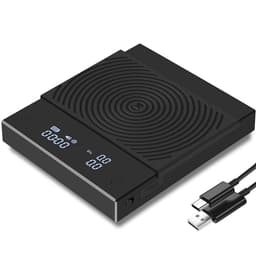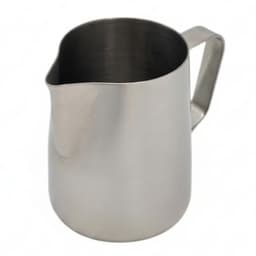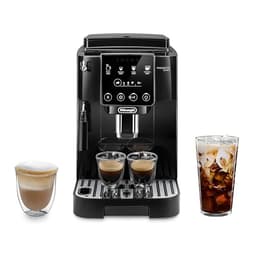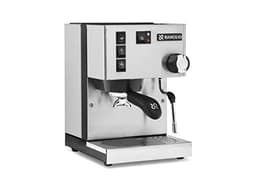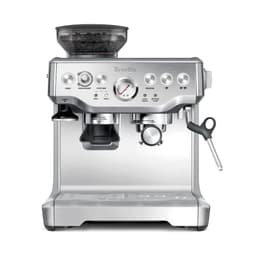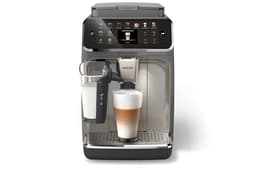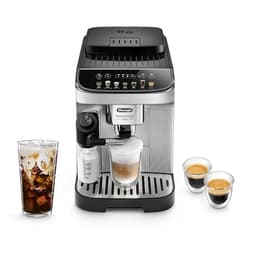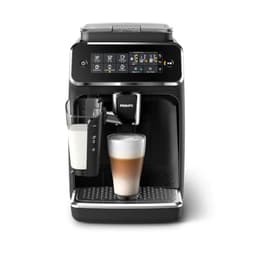
Home Espresso Buying Guides & Upgrade Paths
The decisions that come before the purchase. What to upgrade first, what espresso at home actually costs, and what you still need after the machine arrives.
Guides · Upgrade paths
An honest brief for Nespresso and Keurig owners: what actually changes when you become the variable, what the whole setup really costs, and who should genuinely stay on pods.
Guides · Upgrade paths
For someone who already brews properly. Your palate, your scale and your bean habit all transfer to espresso. Your grinder almost certainly does not — and that is the whole cost of the move.
Guides · The upgrade order
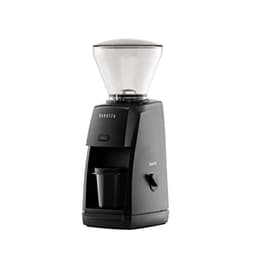
The grinder, and it isn't close — because espresso punishes an inconsistent grind in a way no machine can correct. What to buy first at every budget, and the one situation that flips the answer.
Guides · The real budget
The structure of the cost, not a price list that rots: what you must buy, what you'll be told you need but don't, and the hidden costs people miss — with live prices instead of stale ones.
Guides · Day one
What else you need once the machine arrives: the four things you must have, the ones that genuinely help, the ones that are jewelry — and a first-shot walkthrough with honest numbers.
Guides · Latte art
Why microfoam decides everything, which machines can genuinely produce it, the one pitcher upgrade that matters, and a practice path that doesn't waste milk.
Guides · Gift guide
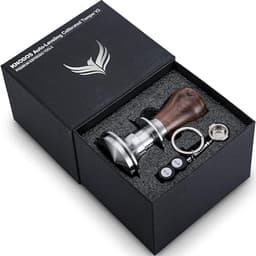
Seven gifts for espresso lovers across four budget tiers — scale, pitcher, cleaner, AeroPress, grinder, machine — compared in one table with live prices, plus the traps flagged: no cup sets, no novelty tampers, no beans for a stranger's taste.
Guides · Machine types
A semi-automatic machine makes you grind, dose, tamp and pull the shot yourself — control, a higher ceiling, and a learning curve. A super-automatic does all of it behind one button. Which is right is a question about how you want to spend your mornings, not which is better.
Guides · Machine internals
A single boiler brews or steams but not both, so you wait to switch. A heat exchanger and a dual boiler both let you brew and steam together, and they live in prosumer territory. Who needs that, who doesn't, and where every machine we cover actually sits.
Guides · Machine internals
A thermoblock, thermocoil or ThermoJet heater warms water on demand for a near-instant start; a traditional boiler stores a hot reservoir for stability and steam endurance. Speed and convenience against stability and stamina — mapped honestly onto the machines we cover.
Guides · Budget
A tier-by-tier map of espresso machine prices, from the cheapest manual to prosumer hardware, with a pick for each band and live prices instead of stale ones. The through-line: budget the grinder as part of the machine, because a cheaper machine plus a good grinder usually beats the reverse.
Guides · Breville
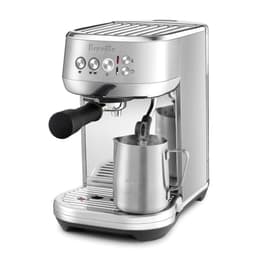
The Breville espresso lineup, decoded by range rather than model number: the compact Bambino line, the all-in-one Barista line, and the premium Oracle line. Which family suits which buyer, the manual-versus-automatic milk trap most people miss, and live prices for the models we cover.
Guides · Technique
Dialing in, demystified: fix your dose, hold everything else constant, and change one variable — grind — until the shot lands. The roughly 1:2 ratio and 25-30 second target as a starting frame, how to read a too-fast or too-slow shot, and why a real grinder is the tool that makes any of it repeatable.
Guides · Machine buying
What portafilter size does and doesn't decide. 58mm is the commercial standard (Gaggia, Rancilio Silvia), so baskets, tampers and bottomless portafilters are abundant and cheap; 54mm is Breville's size and still well supported. The honest core: size shapes your accessory ecosystem and a little of the workflow — grind, beans and technique decide the shot.
Guides · Ownership
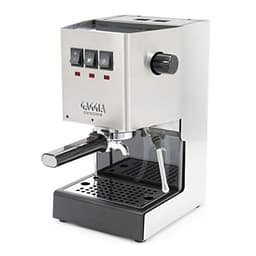
A decision framework for a dead espresso machine. Serviceable machines built to be opened — Gaggia Classic, Rancilio Silvia — reward repair for a decade on cheap wear parts. Cheap sealed thermoblock machines often aren't economically repairable. The common failures that are almost always fixable, and when replacing is really an upgrade.
Guides · Brand decision
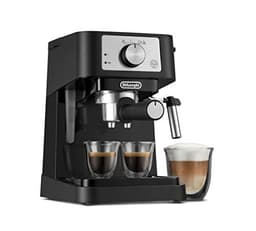
Breville makes feature-rich semi-automatics with PID, grinders and screens; De'Longhi spans a huge range from the cheapest manual machine to push-button bean-to-cup. Breville usually wins the hands-on-espresso buyer; De'Longhi wins on the lowest price, the smallest footprint, and true one-button coffee. Which brand is 'better' depends entirely on which of those you want.
Guides · Upgrade decision
A Nespresso pod machine is cheap, instant and zero-skill, but you drink what the pod decides and pay for pods forever. A real espresso machine costs more up front, wants a grinder and some practice, and hands back fresh-ground shots, a far higher ceiling and cheaper coffee over time. Which one you should buy depends on whether you want to make coffee or just have it.
Guides · Upgrade decision
A Keurig makes fast, convenient drip-style coffee from K-Cups, but it is not an espresso machine: no real pressure, no crema, drip-strength coffee and a pod bill that never stops. If you want espresso, lattes or cappuccinos, a Keurig can't get there. A real espresso machine, or a bean-to-cup super-auto for Keurig-like ease, is the move.
Guides · Upgrade decision
A moka pot makes strong, concentrated stovetop coffee for very little money, but it is not espresso: it brews at low pressure, so there's no real crema, a different and often more bitter flavor, and no milk steaming. It's a great cheap entry to strong coffee. A real espresso machine adds pressure, crema, milk drinks and a much higher ceiling, at real cost and with a grinder.
Guides · Upgrade decision
Espresso machine vs coffee maker
A drip coffee maker makes a large, mild pot at low effort and low cost, and it cannot make espresso, crema or milk drinks. An espresso machine makes small, intense shots and lattes, costs more and needs a grinder and practice. Who each one suits, and the honest note that espresso is not an upgrade to a big mug of black coffee.
Guides · Super-automatic
Philips vs De'Longhi super-auto
Philips LatteGo vs De'Longhi Magnifica, the two bean-to-cup ranges most first-time buyers compare. How the milk systems differ, the one-touch drink range, cleaning, grinder and price tier — with honest cons on each, so you can choose a brand and a model rather than guess.
Guides · Brands
A brand-chooser, not a model roundup: the personality and sweet spot of the five brands most home buyers actually consider. Breville for feature-rich, approachable all-in-ones. De'Longhi for the broadest range. Gaggia and Rancilio for enthusiasts who want commercial-format hardware. Philips for one-touch super-automatic convenience — with the honest cons of each.
Guides · Super-automatic
The Philips 3200 and 4400 LatteGo share the same espresso and the same tube-free milk carafe, so the choice is about the interface, the number of one-touch drinks and saved user profiles — not the coffee. What the 4400's higher price buys, with honest cons on each, and who should save with the 3200.
Guides · Super-automatic
The De'Longhi Magnifica Start is the cheapest bean-to-cup in the range but froths milk by hand; the Evo is the step up, and the LatteCrema milk versions are where hands-free milk finally arrives. The honest crux is milk — plus drink range, interface and price, with cons on each and who is fine saving on the Start.
Guides · Super-automatic
The Philips 3200 LatteGo and the De'Longhi Magnifica Start are the two most popular entry super-automatics, and they take opposite views on milk: the Philips pours a milk drink hands-free, the Magnifica Start makes you froth it yourself. Milk, cleaning, drink range, grinder and price compared, with honest cons and who each suits.
Guides · Super-automatic
The Philips 4400 LatteGo and De'Longhi Magnifica Evo are the mid-tier bean-to-cup step up, both clearly above the entry pair. Their milk systems differ most — the tube-free LatteGo versus De'Longhi's automatic LatteCrema on the milk-carafe versions. Milk, drink range, profiles, cleaning and price compared, with honest cons and who each suits.
Guides · Super-automatic
A buyer's checklist written for bean-to-cup super-automatics, not machines in general. Milk system first — manual frother versus a one-touch carafe like LatteGo or LatteCrema — then the one-touch drink range, the grinder and hopper, cleaning, water and filter, footprint and price tier. What matters versus what's marketing.
Guides · Super-automatic
Everything a new super-automatic owner needs, in order: filling beans and water, setting grind coarseness and coffee strength, adjusting the grinder safely, the milk carafe or frother routine and its daily rinse, the water filter, and the descale and rinse cycles — plus the honest limits, so you know what a bean-to-cup machine can and can't do.
Guides · Value
A clear-eyed look at diminishing returns in home espresso: what temperature stability, steam power, build quality and the 58mm commercial ecosystem actually add as you spend more, what no machine can buy you (a good grind and fresh beans), and the price band where most buyers get the most cup for the money.
Guides · Warranty
A plain-English buyer's guide to home espresso machine warranties: how coverage terms differ by brand, what's typically covered versus excluded, why scale damage is the exclusion that catches people out, whether product registration and extended plans are worth it, and where to find each machine's stated term.
Guides · Prosumer internals
A prosumer-tier guide to the two layouts that let a machine brew and steam simultaneously. How a heat exchanger runs brew water through a steam boiler on the fly (and why that means a cooling flush), how a dual boiler uses two independent boilers for precision with no flush, who each suits, and an honest note that both sit above the tier we stock.
Guides · Setup
The full home espresso bar, piece by piece: machine, grinder, scale, tamper, milk pitcher, knock box and fresh beans, plus the counter space, outlet and water you need behind them. The order to buy in, how to split a budget, and how to lay it out for a workflow you'll actually keep.
Guides · Upgrade path
Prosumer machines buy you thermal stability, real steam power, 58mm commercial parts and a machine you can rebuild for a decade — but they don't fix your technique or your grind. The most common mistake is upgrading the machine before the grinder. Where the ladder starts, what each rung adds, and how to skip the regret.
Guides · How it works
Every espresso machine is four systems working together: a pump for pressure, a boiler or Thermoblock for heat, a group and portafilter where extraction happens, and a steam wand for milk. Knowing what each does — and which numbers on the box are marketing — turns a confusing spec sheet into a clear buying decision.
Guides · How it works
Espresso extracts at about nine bars, but machines advertise 15 or 20 because that's the pump's maximum, not the pressure at the coffee — an over-pressure valve sheds the difference. So a bigger bar number isn't better espresso; it's usually marketing. Here's what really controls pressure at the puck, and why it matters less than the grind.
Guides · Fundamentals
Espresso is over 90% water, and water hardness decides both how your coffee tastes and how fast scale destroys your machine. The short version: use filtered water that's moderately soft — not distilled, not straight hard tap. Here's why, and how it connects to descaling, machine lifespan and the taste in the cup.
Guides · Buying decision
There is a right order to choose an espresso machine in, and most people skip it. Answer six questions — how involved you want to be, grinder, milk, budget, portafilter, counter space — and the machine chooses itself.
Guides · Explainer
Espresso machines split into a handful of types by how much they automate — from lever machines you power by hand to bean-to-cup robots. This is the plain-English map of what each type is and who should buy it.
Guides · Buying decision
All-in-one vs separate grinder
An all-in-one folds the grinder into the machine; separates keep them apart. One box wins on space, simplicity and a single budget; two boxes win on grind quality and the upgrade path. Here is which architecture fits which buyer.
Guides · Buying decision
Worth it for a daily drinker who cares how the coffee tastes and will learn to grind and steam. Not worth it for a one-button convenience seeker, a mostly-black-coffee drinker, or an occasional user — and we say who each of those should buy instead.
Guides · Care
The pillar page that ties the cleaning and descaling guides together: a daily / weekly / monthly cadence, which machines can be backflushed and which can't, and why water quality prevents most of the trouble in the first place.
Guides · Cost
The ongoing side of home espresso: cost per shot is dominated by beans, electricity is smaller than people fear, and consumables and water are modest but real. Ends on the cafe break-even framing, qualitatively — we do not invent a number.
Guides · Grinders
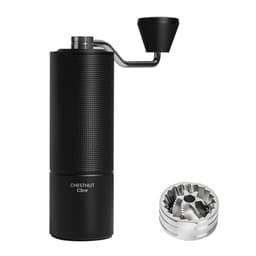
A decision guide rather than a roundup. Which brew method you use decides how much adjustment resolution you need to buy; burrs are non-negotiable; hand or electric is a question about your mornings; and workflow decides whether you still like the grinder in month three. Then four grinders that answer different combinations.
Guides · Explainers
Espresso is a brew method, not a type of bean. The difference is four variables pushed to an extreme: a much finer grind, a far stronger ratio, nine bars of pressure and about twenty-five seconds of contact. That is why a shot is concentrated rather than strong, why 'espresso beans' are a marketing label, and why the equipment costs what it does.
Guides · Brew methods
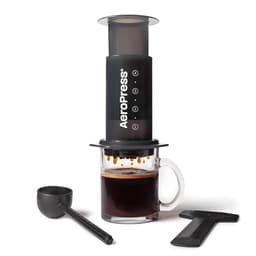
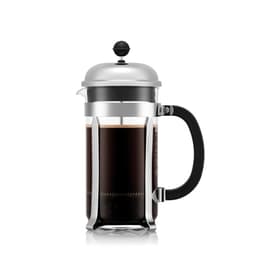
Two immersion brewers separated by one component: the filter. The AeroPress uses paper, so the cup is clean, bright and grit-free, in a brewer that is unbreakable and makes one mug. The French press uses metal mesh, so the cup is heavier and sedimented, in a brewer that makes four mugs hands-off. Pick by whether you want clarity or volume.
Guides · Method
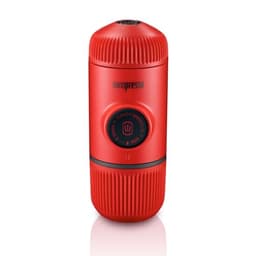
The honest answer to a very common question. A moka pot makes 1-2 bar and an AeroPress a few bar by hand, so both produce strong concentrate rather than espresso. A hand-pumped Wacaco Nanopresso states 18 bar maximum and does make a crema-topped shot. Methods for all three, plus the one piece of equipment you cannot skip.
Guides · Temperature
The published answer is three seconds on Breville's ThermoJet machines and nothing at all on most others, because heat-up is really two questions: when the heater is ready, and when the group, portafilter and basket are. Which machines are quick, why the ready light lies on heavy machines, and the five-minute routine that fixes it.
Guides · Technique
A bottomless (naked) portafilter removes the spouts so you can watch the underside of the basket as the shot pulls. Squirts, jets and early blonde streaks tell you precisely where your puck is failing. How to read what you see, who should own one, and the three pieces of gear that actually fix the faults it reveals.
Guides · Comparison
Espresso machine vs French press
A French press costs a fraction of an espresso machine, makes several cups at once and asks almost nothing of your skill or your grinder. An espresso machine makes a drink a press physically cannot, and milk drinks with it. The honest comparison on cost, time, skill and the grinder you need for each.