
Espresso machines · Stovetop
The Best Stovetop Espresso Makers
The cheapest thing on this site that makes coffee strong enough to build a latte on. Which size to buy, which variant is worth the extra, and what a stovetop can never do.
The short answer
Buy the 6-cup Bialetti Moka Express: it is the default stovetop espresso maker, it suits two drinkers, and spares are available everywhere. The budget pick is the 3-cup Moka Express, which is the cheapest here and the right size for one person. The Brikka is the upgrade if you want a crema-topped cup.
We earn a commission if you buy through a link on this page. It costs you nothing extra and it does not change what we recommend. Full disclosure.
All four picks, compared
Every pick on this page in one view, with the live Amazon price and stock on each row. Specs are the figures the maker or the listing publishes — nothing measured or scored by us. Prices are read from Amazon's API and were last checked November 6, 2026; where we have no verified price, the row says so rather than show you an old number.
| # | Maker | Who it's for | Price & availability |
|---|---|---|---|
| 1 | 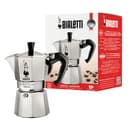 #1 Bialetti Moka Express (6-cup) Best overall · Stovetop, 6-cup Classic aluminium body · 6 moka 'cups' (about two mugs) · in production since 1933 · gaskets and filter plates widely available · not induction-compatible For two drinkers who want strong coffee on the stove, with parts you can replace. | For two drinkers who want strong coffee on the stove, with parts you can replace.Classic aluminium body · 6 moka 'cups' (about two mugs) · in production since 1933 · gaskets and filter plates widely available · not induction-compatible | $47.99In stock, checked November 6, 2026 Check Price on Amazon |
| 2 | 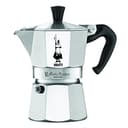 #2 Bialetti Moka Express (3-cup) Budget pick · Stovetop, 3-cup Same aluminium design in the smaller size · 3 moka 'cups' (about one mug) · must be filled to its own level, not part-filled For one drinker. The cheapest thing here, and the right size for a single cup. | For one drinker. The cheapest thing here, and the right size for a single cup.Same aluminium design in the smaller size · 3 moka 'cups' (about one mug) · must be filled to its own level, not part-filled | $39.98In stock, checked November 6, 2026 Check Price on Amazon |
| 3 | 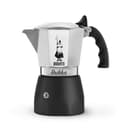 Thickest cup · Stovetop, pressurised Weighted valve holds back the brew until pressure builds, then releases it · produces a foam layer on top · same aluminium construction and parts logic as the Moka Express For the moka drinker who already knows they want a foam-topped cup. | For the moka drinker who already knows they want a foam-topped cup.Weighted valve holds back the brew until pressure builds, then releases it · produces a foam layer on top · same aluminium construction and parts logic as the Moka Express | $59.99In stock, checked November 6, 2026 Check Price on Amazon |
| 4 | 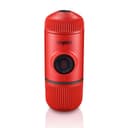 Closest to real espresso · Hand-pumped Hand-pumped piston, rated by Wacaco up to 18 bar · no stove, no power · 8 g basket, 80 ml water tank · about 336 g For someone who wants genuine espresso pressure and will pump for it. | For someone who wants genuine espresso pressure and will pump for it.Hand-pumped piston, rated by Wacaco up to 18 bar · no stove, no power · 8 g basket, 80 ml water tank · about 336 g | $64.90In stock, checked November 6, 2026 Check Price on Amazon |
First, the honest part: this is not espresso
Everyone calls these stovetop espresso makers, including the people who make them, so that is what this page is called. But a moka pot works by boiling water in a sealed lower chamber until steam pressure pushes it up through a bed of coffee — and the pressure that builds is a small fraction of the roughly 9 bar a real espresso machine delivers at the puck. What comes out is strong, syrupy, concentrated coffee. It is not an espresso shot, there is no genuine crema, and if you are expecting one you will be disappointed by every product on this page.
What a moka pot is very good at is making coffee strong enough to stand up to milk, for less money than almost anything else in the kitchen. If your actual goal is a morning latte and the budget is tight, this plus a milk frother is a defensible route, and we treat it seriously rather than sneering at it. The full comparison against a pump machine is espresso machine vs moka pot, and the method itself — water temperature, heat level, when to pull it off the stove — is in how to brew with a moka pot.
Size is the decision, not the model
The mistake almost everyone makes with a moka pot is buying a big one and under-filling it. These pots do not work part-full: the water chamber has to be filled to its own level for the pressure to build properly, and the coffee basket has to be filled level too. A 6-cup pot brewing one cup's worth of water makes bad coffee, not less coffee.
So buy the size that matches what you actually drink. Note that moka "cups" are espresso-sized, not mug-sized: the 3-cup is roughly one mug of milk-ready coffee, and the 6-cup is roughly two. One drinker wants the 3-cup. Two drinkers, or one drinker who makes a large milk drink, want the 6-cup.
The four picks
Bialetti Moka Express, 6-cup — the default
Who it is for: two drinkers, or one drinker building a milk drink, who want strong coffee on the stove without thinking about it. This is the pot everyone pictures when they picture a moka pot, it has been in production since 1933, and that longevity is the actual buying argument: gaskets, filter plates and funnels are a commodity. A moka pot that leaks is nearly always a perished gasket, and on this one a replacement costs almost nothing and is available anywhere. The classic aluminium body is the version to get for parts supply and heat-up speed. Check stove compatibility first, as above.
Bialetti Moka Express, 3-cup — the budget pick
Who it is for: one drinker, and anyone who wants the cheapest honest way into the method. Same design, same parts logic, smaller chambers. We name it the budget pick because it is the least expensive product on this page and because for a single drinker it is also the correctone — this is the rare case where spending less gets you a better cup, since a properly filled 3-cup beats a half-filled 6-cup every time. If you are buying your first one and you drink alone, start here rather than "sizing up for guests".
Bialetti Brikka — for a thicker, foam-topped cup
Who it is for:the moka drinker who already knows what they want and wants a foam layer on top of it. The Brikka is Bialetti's pressurised moka pot: a weighted valve holds the brew back until more pressure has built, then releases it, and the result has a foam cap and a noticeably thicker body than the Moka Express. It is still not espresso crema — it is a different mechanism producing a different foam — but it is a real difference in the cup. Our advice is unchanged from the method guide: buy a standard Moka Express first and live with it for a month. If you then find yourself wanting more texture, the Brikka is the upgrade. Buying it first is buying a fussier pot before you know whether you like the method.
Wacaco Nanopresso — the closest thing here to real espresso
Who it is for:someone who wants genuine espresso pressure, has no space or budget for a machine, and will pump by hand for it. The Nanopresso is not a stovetop maker at all — it is a hand-pumped piston that Wacaco rates up to 18 bar, with an 8 g basket and an 80 ml water tank, at around 336 g. It needs no stove and no power, which makes it the one product on this page that can produce a crema-topped shot in a hotel room. The honest trade: the 8 g basket is a single, not a double, and you are pumping a piston several dozen times per drink. It is the budget pick on the best espresso machines for travel and sits alongside the lever options in the manual espresso machine roundup.
When to step up to a real machine
Two signals, both common, both worth acting on rather than buying a third moka pot.
You want milk drinks every day.A moka pot plus a standalone frother will get you something latte-shaped, and plenty of people are happy there — see milk frothers. But if a cappuccino every morning is the goal, an entry machine with a steam wand is a better tool and the cheapest ones are not far from a good grinder in price: the best espresso machines under $200 is where that path starts.
You want crema and repeatability. The thing a pump machine gives you that no stovetop can is 9 bar and a shot you can dial in. If that is what you are chasing, upgrading from drip to espresso is the honest path, and the best espresso machines for beginners names the machines. One thing not to skip on the way: the grinder. A moka pot is forgiving about grind; espresso is not, which is the argument in machine or grinder first.
And if you are staying with the stovetop, the one upgrade that reliably improves the cup is the grind. A burr grinder at a medium-fine setting makes a visible difference here — the best grinders for a moka pot covers it, and fresher beans are cheaper than any pot on this page.
What we know, and how we know it
What we did
- Took the specs from the manufacturer's own documentation. Not from a retailer listing, and not from another blog.
- Priced it from Amazon's API, with the date we checked shown next to the number. If that price is more than 48 hours old, this page stops showing a number at all rather than show you a wrong one.
- Formed a verdict from those specs, the price, and what owners publicly report.
Where we hedged, and why
None of the products on this page is in our machine spec database, which covers pump espresso machines and grinders only. Every figure above is what Bialetti or Wacaco publishes, or what the Amazon listing states — capacity in moka "cups", the Brikka's weighted-valve mechanism, the Nanopresso's 18 bar rating, 8 g basket and 80 ml tank. Bialetti does not publish a brewing pressure figure for the Moka Express or the Brikka, so we do not state one; we only say it is a fraction of a pump machine's, which is uncontested.
We have not used these pots ourselves. The recommendations come from published specifications, the parts-availability argument, and how the makers position each model — not from a test we did not run. No ratings, awards or measurements here are ours.
What we did not do
We do not run a lab. We have not pulled thousands of shots on this machine, and we are not going to pretend otherwise. We have not used this unit ourselves. Everything above is sourced research, and it is labeled as such. Where we have used a machine, we say so and show it.
How we're paid
If you buy through a link on this page, we earn a commission. It costs you nothing extra and it does not change what we recommend — we link to the better option for the buyer even when it earns us less. See how we review and our full disclosure.
For the technique that actually decides whether a moka pot makes good coffee or burnt coffee, read the moka pot method guide. For how this compares with the other cheap methods, there is AeroPress vs French press and the French press guide. More on the espresso machines hub.
Frequently asked questions
What is the best stovetop espresso maker?
The 6-cup Bialetti Moka Express. It is the default in the category, in production since 1933, and that is the real buying argument: gaskets, filter plates and funnels are a commodity, so a leaking pot is a cheap fix rather than a replacement. For one drinker, buy the 3-cup instead - the cheapest pick here and the correct size, because moka pots do not brew well part-filled.
Does a moka pot make real espresso?
No. A moka pot boils water in a sealed lower chamber until steam pressure pushes it up through the coffee, and the pressure that builds is a small fraction of the roughly 9 bar a pump espresso machine delivers at the puck. What you get is strong, concentrated coffee with no true crema. It is excellent coffee to drink with milk; it is not an espresso shot.
What size moka pot should I buy?
Match the size to what you drink, and never part-fill a bigger one. Moka 'cups' are espresso-sized: the 3-cup is roughly one mug of milk-ready coffee and the 6-cup roughly two. These pots need the water chamber filled to its own level for pressure to build, so a 6-cup brewing one cup's worth of water makes worse coffee, not less coffee.
Is the Bialetti Brikka worth it over the Moka Express?
Only once you know you like the method. The Brikka uses a weighted valve to hold the brew back until more pressure has built, then releases it, which produces a foam layer and a thicker body than the Moka Express. That is a real difference in the cup - but it is a fussier pot. Buy a standard Moka Express first, live with it for a month, and upgrade if you find yourself wanting more texture.
Can I use a Bialetti Moka Express on an induction hob?
Not the classic aluminium one - aluminium is not magnetic, so it will not heat on induction. Bialetti sells stainless and explicitly induction-compatible variants under different names, so check the listing before you buy. This is the most common reason these pots get returned, and it is entirely avoidable with one look at the product description.
What is the closest thing to real espresso without a machine?
A hand-pumped maker. The Wacaco Nanopresso is rated by Wacaco up to 18 bar from a hand-pumped piston, with an 8 g basket and an 80 ml water tank at around 336 g - no stove and no power needed, and it can produce a crema-topped shot. The trade-offs are that 8 g is a single rather than a double, and you pump the piston several dozen times per drink.
How do I improve the coffee from a stovetop espresso maker?
Grind and beans, in that order, before another pot. A burr grinder on a medium-fine setting makes a visible difference to a moka pot, and fresh beans cost less than any product on this page. After that, technique: heat level, starting with hot water, and taking the pot off the stove before it starts to sputter. The method guide covers each of those properly.
Sources
Specs come from the manufacturer's own documentation. Prices come from Amazon's API. Where a claim comes from what owners report, we link the thread and say so.
- Bialetti - Moka Express official product page
- Bialetti - Brikka official product page (weighted-valve pressurised moka pot)
- Wacaco - Nanopresso official product page (hand-pumped, rated up to 18 bar, 8 g basket, 80 ml tank)
- Bialetti Moka Express 3-cup and 6-cup, and Bialetti Brikka - capacity and material as published on the Amazon listings, read November 7, 2026
Keep reading
- How to brew with a moka potThe method that decides whether these pots make good coffee or burnt coffee.
- Espresso machine vs moka potWhat the extra money buys, and when a moka pot is genuinely enough.
- Best grinders for a moka potThe cheapest upgrade to a stovetop cup, and the grind size to aim for.
- Manual espresso machinesLever and hand-pumped makers, including the Flair range, if you want real pressure.
- Best espresso machines under $200Where the pump-machine path starts, if milk drinks every day is the goal.
- Best espresso machines for travelWhere the Nanopresso really belongs, with the rest of the portable options.